

A well-run construction site does not happen by accident. Along with solid planning and skilled crews, smart waste management plays a big role in keeping projects safe, efficient, and on schedule. From demolition debris to daily packaging waste, how materials are handled can impact safety, costs, and productivity.
Here are practical waste management practices that help construction sites stay cleaner and operate more smoothly.
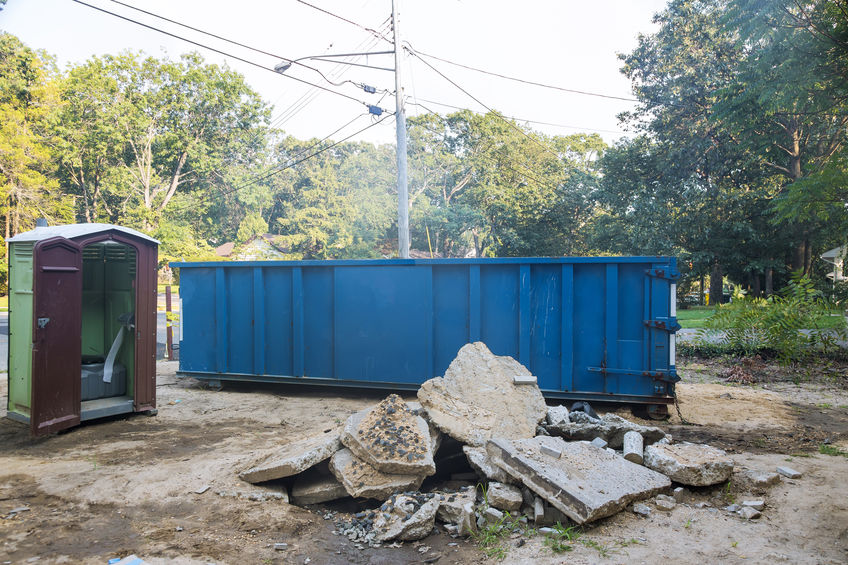
Plan for Waste Before Work Begins
Construction waste should be part of the conversation long before the first materials arrive on site. Knowing what types of debris will be generated helps avoid clutter, confusion, and last-minute hauling issues.
Take time to estimate the amount of waste and identify materials such as wood, drywall, concrete, metal, and cardboard. This planning makes it easier to select the right dumpster sizes, schedule pickups properly, and prevent containers from overflowing as the project progresses.
Keep Safety Front and Center
Loose debris is one of the most common causes of job site accidents. Scrap lumber, broken concrete, nails, and packaging can quickly turn into tripping hazards if they are not handled properly.
Dumpsters should be placed in convenient locations so crews can dispose of waste immediately rather than letting it pile up. Regular cleanup throughout the workday improves visibility, reduces risk, and helps maintain a professional job site that meets safety expectations.
Separate Materials Whenever Possible
Mixing all waste into one container can lead to higher disposal costs and missed recycling opportunities. Separating materials makes job sites more organized and helps crews work more efficiently.
Common waste categories include:
- Wood and framing scraps
- Concrete and masonry debris
- Scrap metal
- Cardboard and packaging
- General construction waste
Clear labeling and designated disposal areas make it easier for workers to follow procedures without slowing down production.
Make Recycling Part of the Process
Many construction materials can be recycled or reused rather than sent straight to the landfill. Metals, concrete, asphalt, and cardboard are often accepted at recycling facilities and can reduce overall disposal costs.
Recycling also supports sustainability goals and helps reduce the environmental impact of construction projects. Working with a dumpster rental provider that understands recycling options makes it easier to divert materials properly and stay compliant with local regulations.
Choose the Right Dumpster Rental Strategy
The right dumpster setup keeps waste under control and helps prevent downtime. Choosing containers that are too small leads to overfilling and safety issues. Choosing containers that are too large can mean paying for unused space.
Some projects benefit from multiple dumpsters for different materials, while others require scheduled pickups to keep debris from building up. A flexible rental approach allows adjustments as the job evolves.
Partnering with a local company like A1 Dumpster Rentals gives contractors access to knowledgeable support, fast service, and reliable scheduling throughout every phase of construction.
Stay Compliant with Local Disposal Rules
Construction waste regulations vary by location, and certain materials require special handling. Items such as hazardous materials, treated wood, tires, and electronics are often restricted from standard dumpsters.
Understanding disposal rules in North Carolina and South Carolina helps avoid fines, delays, and unexpected costs. Experienced dumpster providers help guide contractors on what can and cannot go into each container, keeping projects compliant from start to finish.
Train Crews on Proper Disposal Habits
Even the best waste plan only works if everyone on site follows it. Taking time to educate crews on disposal procedures, recycling expectations, and dumpster locations keeps operations running smoothly.
Simple reminders during safety meetings and clear signage around disposal areas help reinforce good habits. When workers know where materials go, cleanup becomes faster and more consistent.
Cleaner Sites Lead to Better Projects
Strong waste management practices support safer job sites, better organization, and improved efficiency. Planning, separating materials, recycling responsibly, and choosing the right dumpster strategy all contribute to smoother construction projects.
For contractors working in the Charlotte, NC and Lexington, SC areas, dependable waste management support helps keep projects moving forward without unnecessary interruptions. A clean site is not just easier to manage. It is a sign of a professional operation built for success. Contact us today at 704-391-7030 or visit us online for more information!